







Search Results for: Minhang District
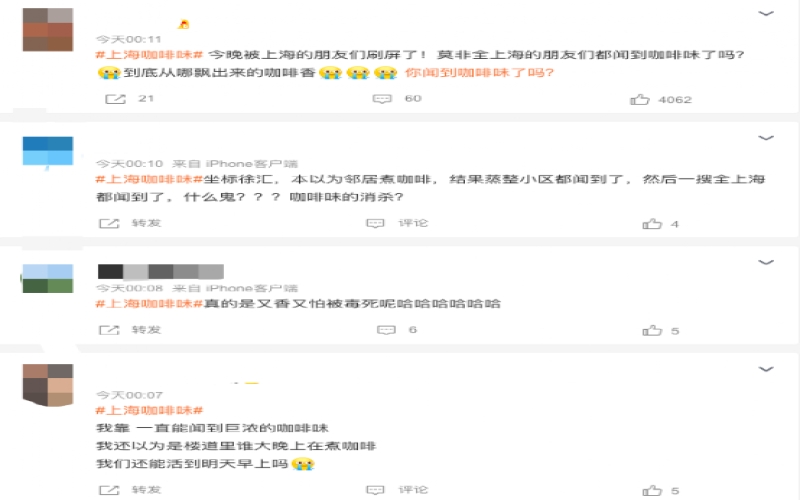
Late-night coffee aroma wafts through Shanghai, sparking heated discussion; multiple departments respond it's not a factory incident, tracing the source
In the early hours of May 17, 2021, residents in several districts of Shanghai reported on Weibo that a rich coffee aroma was drifting through the air. Some thought a neighbor was brewing coffee, while others suspected a family member was secretly drinking coffee late at night. This mysterious scent smelled like instant coffee, mixed with burnt and sesame oil notes. Subsequently, rumors spread online that a flavoring factory in Minhang District had experienced a gas leak, with speculation that the leaked substance was furfuryl mercaptan. Shanghai's fire and ecological environment departments responded that they had not received any reports of related accidents and had launched an investigation, but no abnormalities were found at the scene, and the source is still under verification. As a "city of coffee" with nearly 8,000 coffee shops, Shanghai's real-life coffee aroma diffusion incident has sparked widespread attention. [more…]
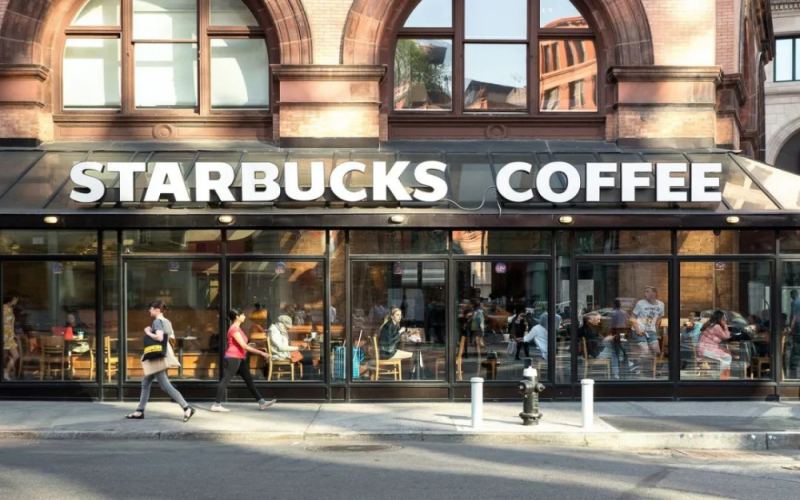
Starbucks in the Vegetable Market: Can Traditional Markets Become a New Scene for Coffee Consumption?
In recent years, Starbucks has continued to adjust its store layout strategy, gradually extending from core commercial districts to surrounding communities, and even setting its sights on traditional wet markets. A newly opened wet market in Minhang District, Shanghai, has brought in a Starbucks, and a Starbucks store has also appeared in a long-established comprehensive wholesale market in Seoul, South Korea. The heavy foot traffic, relatively low rents, and considerable repeat-purchase potential of wet markets have prompted coffee brands to re-examine the commercial value of traditional bazaars. This article focuses on the phenomenon of Starbucks choosing wet market locations, analyzing the logic behind this strategy, the feasibility of selling coffee in wet markets, and the significance of affordable pricing for the expansion of the coffee market. [more…]
Luckin was fined 5,000 yuan by the market supervision bureau for employees privately removing prepackaged food labels and selling the items to customers.
A Luckin Coffee store received a fine of 5,000 yuan from the market supervision authorities simply because a staff member removed the outer packaging of a food item for a customer. Here is what happened: a consumer reported that they had purchased a pack of "mini mochi" pre-packaged food at a Luckin store, but the staff member removed the outer packaging bearing label information before handing it to the customer without obtaining consent. Upon verification, this act was determined to constitute selling pre-packaged food without labels. Although the illegal gains amounted to only 2.67 yuan, it still violated the relevant provisions of the Food Safety Law. Behind this seemingly minor penalty lies the consumer's right to know the source and quality of food. Front Street Coffee also reminds all practitioners that labels on pre-packaged food are not optional but a mandatory legal requirement. [more…]
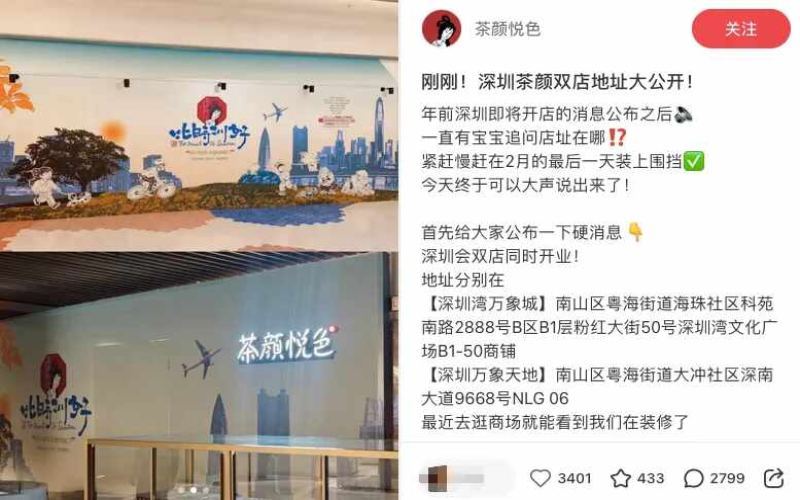
Tea Beauty makes its first foray into South China with a location in Nanshan, Shenzhen; the choice of two store sites has sparked lively discussion among consumers.
TEA YAN YUE SE has officially announced that it will enter the South China market this April, opening two stores simultaneously in Nanshan District, Shenzhen. Once the news broke, Shenzhen residents responded enthusiastically, but the choice of location for the new stores sparked considerable discussion—both stores are located in Yuehai Subdistrict at MixC and MixC World, only about 4 kilometers apart, and many netizens expressed confusion over the brand not choosing downtown areas such as Futian or Luohu. Previously, TEA YAN YUE SE had opened a pop-up store at Wenheyou in Luohu that triggered a queuing frenzy, and consumers had originally expected the brand to prioritize Futian or Luohu. Now that both stores are clustered in Nanshan, some fans who live in other districts say it is simply inconvenient. [more…]

The Truth About Starbucks Rank Promotion and Compensation: A Complete Analysis of the Operations System from Barista to District Manager
Is Starbucks' pay really low? Is the promotion path truly so long? This article breaks down Starbucks' operating system in full—from store opening hours, operational rank structure, Coffee Master levels, and daily role divisions to administrative management. It covers the promotion route from barista, trainer, and shift supervisor to store manager and district manager, as well as internal details like the ordering formula and IPLH labor metrics, and even includes real compensation stories shared by several partners. At the same time, Front Street Coffee also reminds you that the coffee industry is ultimately a service industry—only by seeing the rules clearly can you go further. [more…]
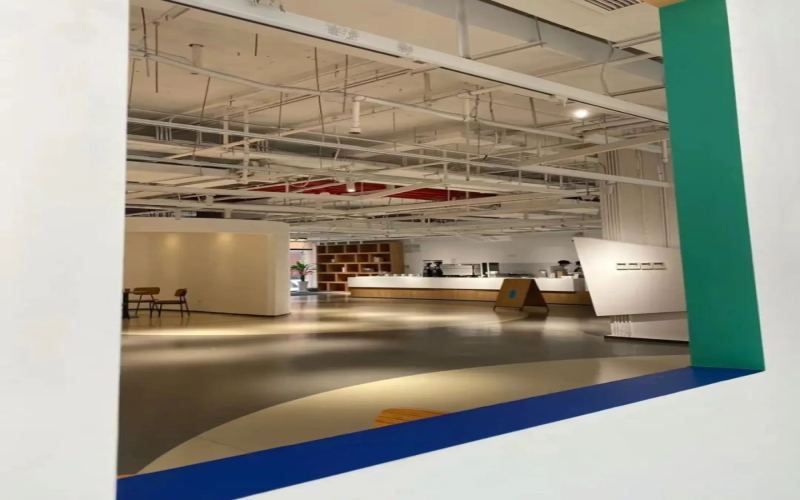
A Complete Inventory of Blue Bottle Coffee Stores in China: Why Is It Still Rooted in Jing'an, Shanghai? An Analysis of Future Expansion Directions
Since Blue Bottle Coffee opened its first mainland China store in early 2022 at the former site of the Shanghai Yutong Flour Mill, it has successively set up three locations in Jing'an Kerry Centre and Zhangyuan. Curiously, this brand, known for its minimalist boutique approach, has not stepped outside Jing'an District for over a year, and has even been jokingly said to have "not even left Shanghai." This article reviews the current store distribution of Blue Bottle Coffee, analyzes the customer base logic and brand tone behind its site selection strategy, and also brings rumors about the possible location of a fourth store in Qingpu's Panlong Tiandi or Pudong's Qiantan. In addition, we continue to recommend boutique bean news from Front Street Coffee, providing coffee enthusiasts with a more comprehensive industry perspective. [more…]
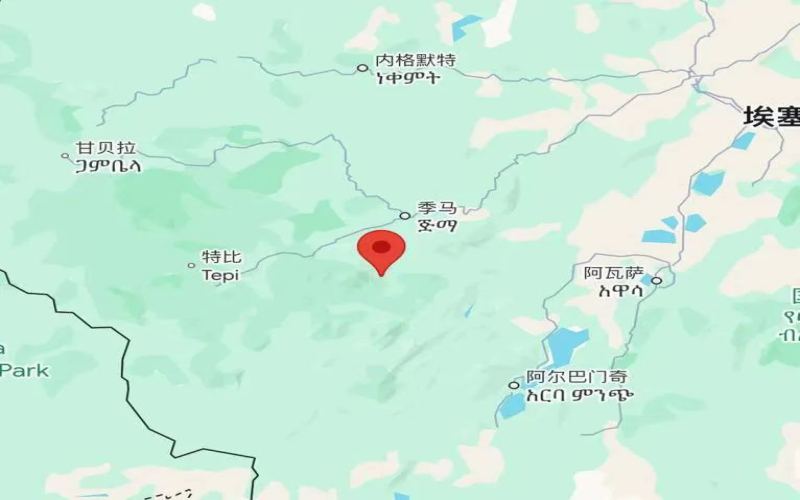
Landslide in the Konta district near Jimma, Ethiopia, kills 6, putting multiple pressures on the coffee harvest season and exports
A landslide occurred recently in the Konta district of southwestern Ethiopia, killing at least six people. The area is adjacent to important coffee-producing regions such as Jimma and Kaffa. Since the start of this year, the locality has repeatedly suffered similar disasters, with about 300 people killed between July and September. Persistent heavy rainfall not only threatens public safety but also delays coffee harvesting, obstructs transportation, and puts pressure on output. At the same time, the regional security situation, exchange rate fluctuations, rising fertilizer costs, and the drought risk that La Niña may bring all make the outlook for Ethiopia's coffee industry full of uncertainty. However, the delay of the EU's EUDR and the decline in coffee prices, as well as the lowering of the minimum export floor price, also bring a glimmer of good news for exports. [more…]
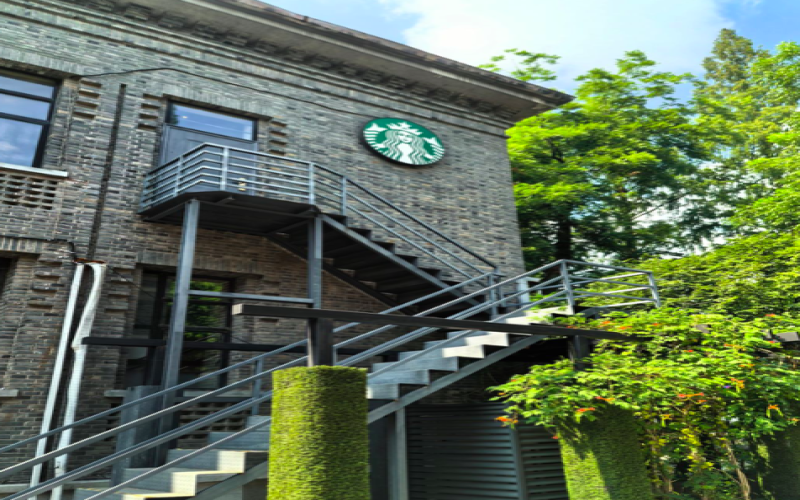
Starbucks and Chayan Yuese successively exit Nanjing 1912 District, the curtain falls on a 20-year-old store, sparking nostalgia and reflection.
Recently, news came from Nanjing 1912 Block: the Starbucks Reserve store, which has been in business for twenty years, is about to close, and Chayan Yuese, which only moved in last year, has already been the first to withdraw due to the expiration of its lease. The successive departure of these two adjacent stores has left many citizens and tourists feeling regretful. As Nanjing's first Starbucks Reserve store, this Republic of China-style coffee shop was once a popular check-in spot in travel guides, but now it is about to come to an end. Issues such as the expiration and recovery of property rights in the old block, the rise of emerging commercial districts, and parking difficulties have all become focuses of discussion. In any case, this coffee memory that has accompanied people for twenty years is worth savoring in detail. [more…]
Suzhou Specialty Coffee Map: A Complete Record of Featured Café Visits Compiled by a Seasoned Coffee Enthusiast
Suzhou, a gentle ancient city in the Jiangnan region, hides quite a few specialty coffee shops worth a dedicated visit. This article compiles a summary of shop visits from a veteran coffee enthusiast, covering more than seventy four- to five-star coffee shops across Gusu District, the Industrial Park, the High-Tech District, Wuzhong District, and beyond—from artsy little cafes to cat-themed coffee houses, from Korean-style chains to standalone buildings with Republican-era charm, each with its own distinctive setting, offerings, and story. Whether you're a coffee purist chasing pour-over quality or an artsy soul who favors ambiance, this list can help you find that perfect cup in Suzhou. [more…]
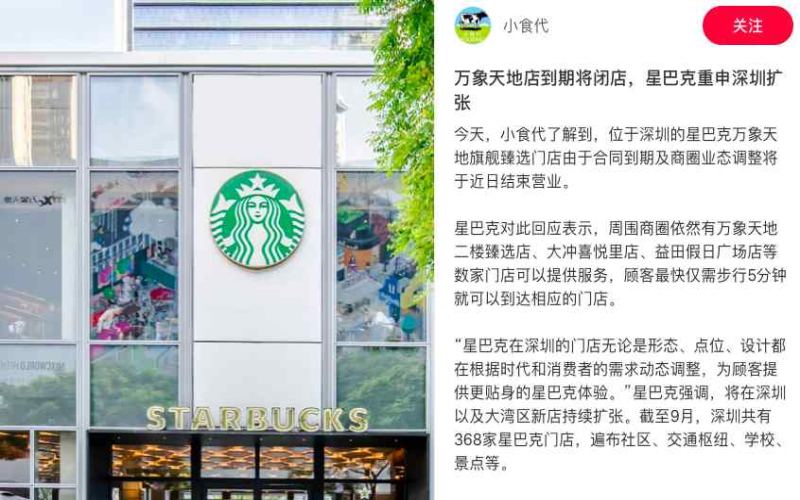
After nearly eight years in operation, Starbucks' first Reserve flagship store in South China has announced its permanent closure, and the standalone store in Shenzhen MixC World will change hands.
Starbucks' first Reserve flagship store in South China—the two-story standalone store at Shenzhen MixC World—will officially close permanently after business hours on October 12. This iconic store, which had been open for nearly eight years, was once the largest standalone Starbucks in Shenzhen, and it now comes to an end due to the expiration of its contract and adjustments in the business district's tenant mix. After the news spread, many regular customers felt deep regret. At the same time, Starbucks has also been closing stores at multiple locations in Shenzhen, sparking speculation about adjustments to its market layout. This article will review the store's history, customer reactions, the reasons for its closure, and Starbucks' response, along with related recommendations from Front Street Coffee. [more…]
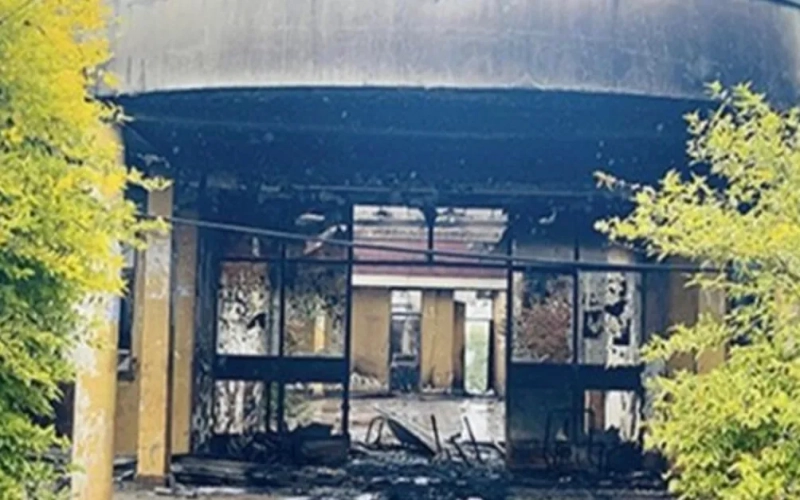
Armed attack in Ethiopia's Sidama Kenso district leaves 14 dead, coffee-producing region faces security and economic pressure
In the Konso Zone of the Southern Nations, Nationalities, and Peoples' Region in southern Ethiopia, armed attacks lasting several days recently occurred, resulting in at least 14 deaths, including 8 police officers and 5 civilians, with another person later confirmed dead. The attackers targeted police stations, government institutions, and civilians, looting property and setting fire to government buildings and residences, and only fled after the national defense forces and federal police intervened. The Konso Zone is not only part of the Southern Nations, Nationalities, and Peoples' Region but also an important component of the Sidamo coffee-producing area, adjacent to the Yirgacheffe region. This incident has displaced approximately 37,000 people, with property losses exceeding 600 million birr. Although the armed militants have withdrawn, they may move to surrounding areas to continue their activities, posing a direct threat to the region's coffee and other agricultural industries. Meanwhile, the depreciation of Ethiopia's currency and domestic inflation, combined with the security situation, have cast a shadow over the prospects for coffee exports. Front Street Coffee will continue to monitor developments in the producing area. [more…]
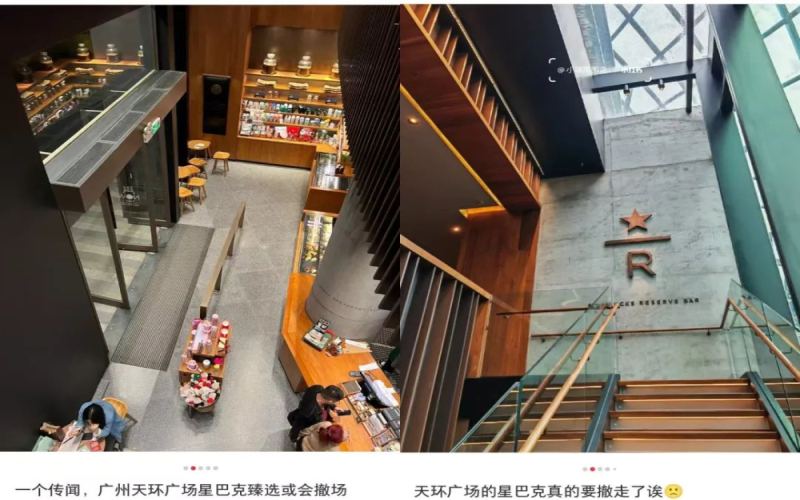
Starbucks Reserve at Parc Central in Guangzhou Confirmed to Close: Why Do Stores in Core Commercial Districts Also Struggle to Survive?
Recently, news emerged that the Starbucks Reserve store at Guangzhou's Parc Central is set to close, with official confirmation that it will officially cease operations in the coming days. This store, which opened in 2017, was created by Starbucks to celebrate its 15th anniversary of entering the South China market and was once hailed as "one of Guangzhou's most design-forward stores." Unlike previously closed old stores located in declining foot traffic commercial districts, this closure is in a core commercial area of Tianhe District, surrounded by luxury brands, and the store was almost always full on a daily basis. However, high rent, low table turnover caused by the open-plan space, and phenomena such as "people only checking in for photos without consuming" may have made it difficult for the store to be profitable after deducting costs. Starbucks stated that the reason for the closure is adjustments to the business mix in the commercial district and said there are still more than 10 nearby stores for consumers to choose from. [more…]
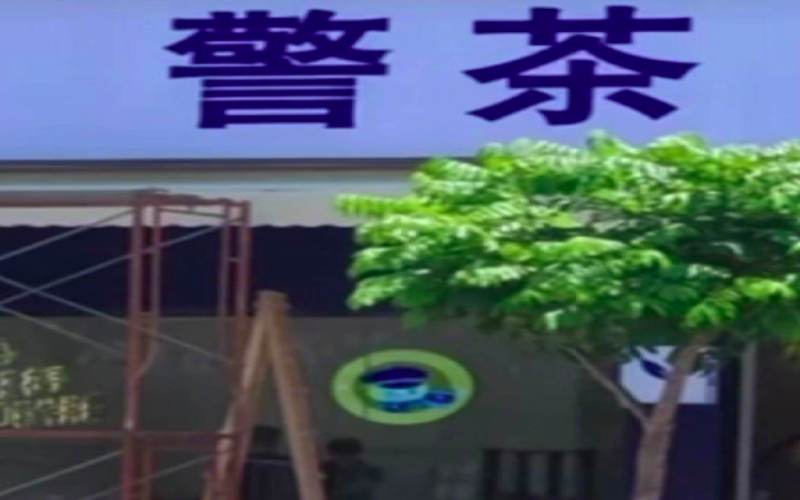
Guangzhou beverage shop named "Jingcha" sparks controversy, regulators step in to investigate whether it violates regulations
A not-yet-opened beverage shop in Zengcheng District, Guangzhou, has sparked public debate after naming itself "Jingcha" (a homophone of "police tea") and using cartoon police imagery in its store decorations. Some see it as merely a clever pun, while more people worry it could mislead consumers. Market regulators and public security authorities have stepped in to investigate, and lawyers point out that the name may violate enterprise name registration regulations. Behind the incident lies not just the compliance of a single shop name, but the boundary between commercial creativity and public symbols. [more…]
Has Front Street Coffee closed down? Is Front Street Coffee no longer open? Front Street Relocation Notice
Relocation Notice: In the winter of 2025, Front Street Coffee moved from its original location at No. 10 Bao'an Front Street, Dadao Road to the nearby No. 315 Donghua East Road, Yuexiu District, Guangzhou. Front Street Coffee is a store in Guangzhou that sells freshly roasted coffee beans, offering dozens of coffee beans from major coffee-growing regions around the world. [more…]
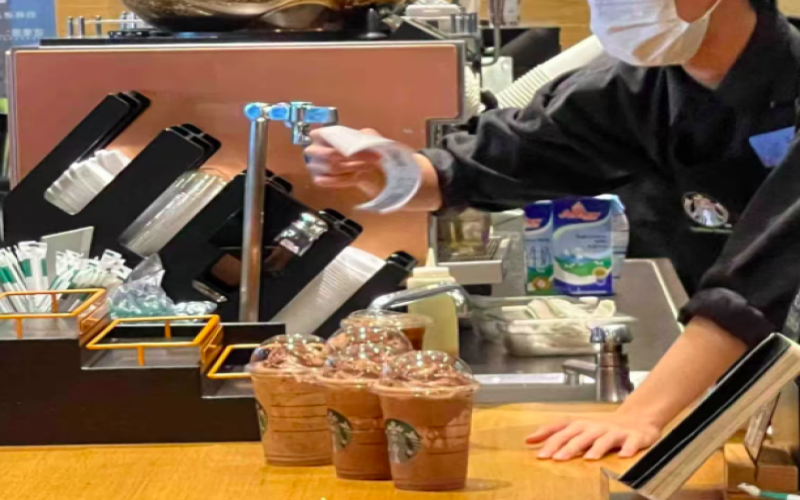
The first Starbucks store at Wuyi Square in Changsha has closed for business, ending a fourteen-year history.
The Starbucks store at Wangfujing Department Store in Changsha's Wuyi Square, the brand's first location in Hunan Province, has recently been reported to be permanently closing. Having operated for fourteen years, this store not only witnessed Starbucks' expansion in Changsha but also carried the coffee memories of countless residents. However, with intensifying competition among tea and coffee brands in the Wuyi commercial district, adjustments to commercial leasing policies, and changes in Starbucks' market strategy, this iconic store has ultimately reached its end. This article will review the store's glorious past, analyze the possible reasons for its closure, and present the regret expressed by local residents. [more…]
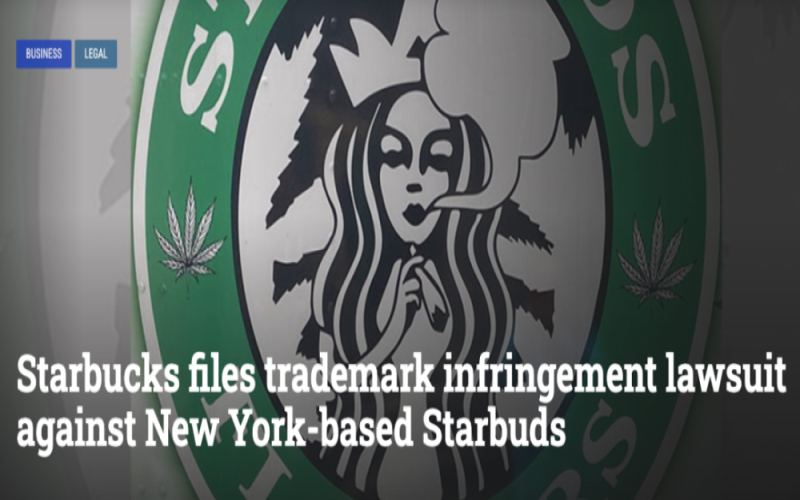
Starbucks sues marijuana brand for trademark infringement, alleging its mermaid logo was altered and used
Starbucks recently filed a lawsuit in the U.S. District Court for the Southern District of New York against a cannabis company called Starbuds Flowers, accusing it of intentionally imitating its classic mermaid trademark and misleading consumers by exploiting the Starbucks brand's reputation. In the complaint, Starbucks compared the similarities between the two logos point by point, noting that Starbuds not only used the similar design on its mobile sales trucks and official website, but also printed it on cigarettes and cannabis products. Starbucks is asking the court to prohibit the other party from continuing to use the logo, destroy the related products, and disgorge the profits obtained from the infringement. In fact, Starbucks had already sent a cease-and-desist letter as early as last August and subsequently sent multiple takedown notices, but received no response. As of July 2, Starbuds' sales trucks and website were still in operation. [more…]
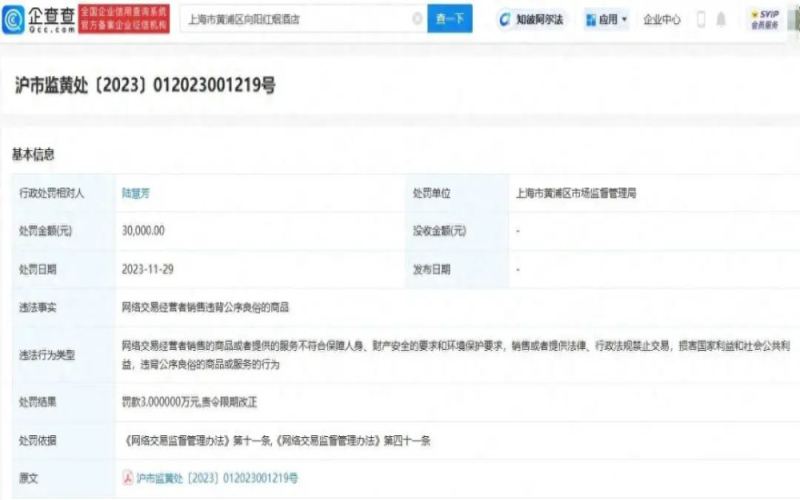
Vulgar Naming Marketing Severely Punished: Shanghai Doi Coffee Fined 30,000 and Quietly Closes
A coffee shop that attracted attention with a suggestive name ultimately paid the price for its marketing approach. In July of this year, a coffee shop named "Doi Coffee" in Huangpu District, Shanghai, was investigated by market regulators for a store name and product names suspected of violating public order and good morals. Several months later, the penalty result has finally landed — a fine of 30,000 yuan, with a heavier punishment due to the severe negative public opinion impact. Now the shop has quietly closed, and the person in charge said business was so poor that they are no longer operating. Behind the incident, it reflects the collision between the bottom line of marketing in the food and beverage industry and the red line of regulation, and has also sparked public discussion about the boundaries of vulgar marketing. Front Street Coffee reminds practitioners that creative marketing needs moderation, and respecting public order and good morals is the way to long-term business. [more…]

An influencer coffee shop was penalized for using imported coffee beans of no lawful origin, drawing attention to food compliance issues in the coffee industry.
Recently, the Market Supervision Bureau of Yuecheng District, Shaoxing City, investigated and penalized a popular coffee shop. The shop was found using imported coffee beans without Chinese labels and could not provide proof of legal origin. It was also involved in selling coffee equipment without Chinese labels. Ultimately, it was fined 25,000 yuan and the related products were confiscated. This case reveals a common compliance risk in the procurement and use of coffee beans by specialty coffee shops: whether self-roasting or external procurement, coffee bean raw materials require corresponding food business or production licenses and product qualification inspection reports. As market supervision intensifies, coffee operators urgently need to self-check risks to ensure legal and compliant operations. [more…]
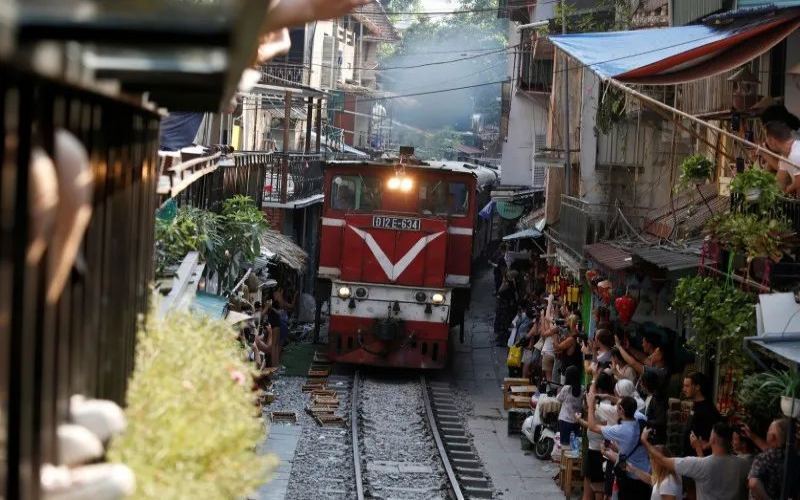
Hanoi's railway coffee street in Vietnam was shut down just days after reopening: how to balance safety hazards and tourism demand
After being closed for more than two years due to the pandemic and violations of railway safety regulations, Hanoi's Railway Coffee Street in Vietnam was forced to shut down by authorities just days after it reopened. This railway alley, which is only about one meter from people's homes, once became a popular check-in spot because tourists could drink coffee while watching trains pass through, but train drivers repeatedly had terrifying moments when tourists suddenly rushed onto the tracks. Hoan Kiem District authorities have set up barricades and revoked business licenses, leaving businesses with no choice but to close. The local government said it will study plans that balance safety and tourism needs, while tourists and netizens have been discussing the matter widely. [more…]
An Analysis of the Flavor Characteristics of Panamanian Coffee Beans: A Comprehensive Overview of Microclimates and Growing Conditions in Each Producing Region
Panama coffee occupies an important place in the world of specialty coffee thanks to its unique microclimatic conditions. The Cordillera Central lifts cold air to over 6,500 feet, creating diverse microclimates around Boquete and Volcán-Candela, while the fertile, balanced soils around Barú Volcano combine to nurture Panama coffees of outstanding flavor. This article systematically reviews the geography and growing conditions of Panama's various production regions, as well as the jasmine, citrus, berry, caramel, chocolate and other flavor characteristics exhibited by the coffee beans. It also introduces the small-batch grading and numbering management model and the main export markets, helping coffee enthusiasts gain a comprehensive understanding of the coffee charm of this small Central American country. Front Street Coffee will also recommend products worth following based on the characteristics of the production regions. [more…]